Back Braces
Spinal braces for support and pain relief, and for recovery after back surgery.
About back braces
A back brace, also called a spinal orthosis, supports the spine. It can ease pain, help your posture, hold the spine still while a fracture heals, or put off the need for an operation. Braces are named after the part of the spine they support: the neck (cervical), the upper back (thoracic) and the lower back (lumbar and sacral).
A brace may help if you have upper or lower back pain, pins and needles running into your legs or arms, a problem with your posture, a fracture of the spine, or an operation you are trying to put off. Come in for an assessment and we will make sure you get the right support.
The sections below describe the types of back brace we fit.
Not sure which you need? Phone us on 011 782 7809 to book an assessment, and we’ll work it out with you. Read what happens at your first visit.
Types of back brace
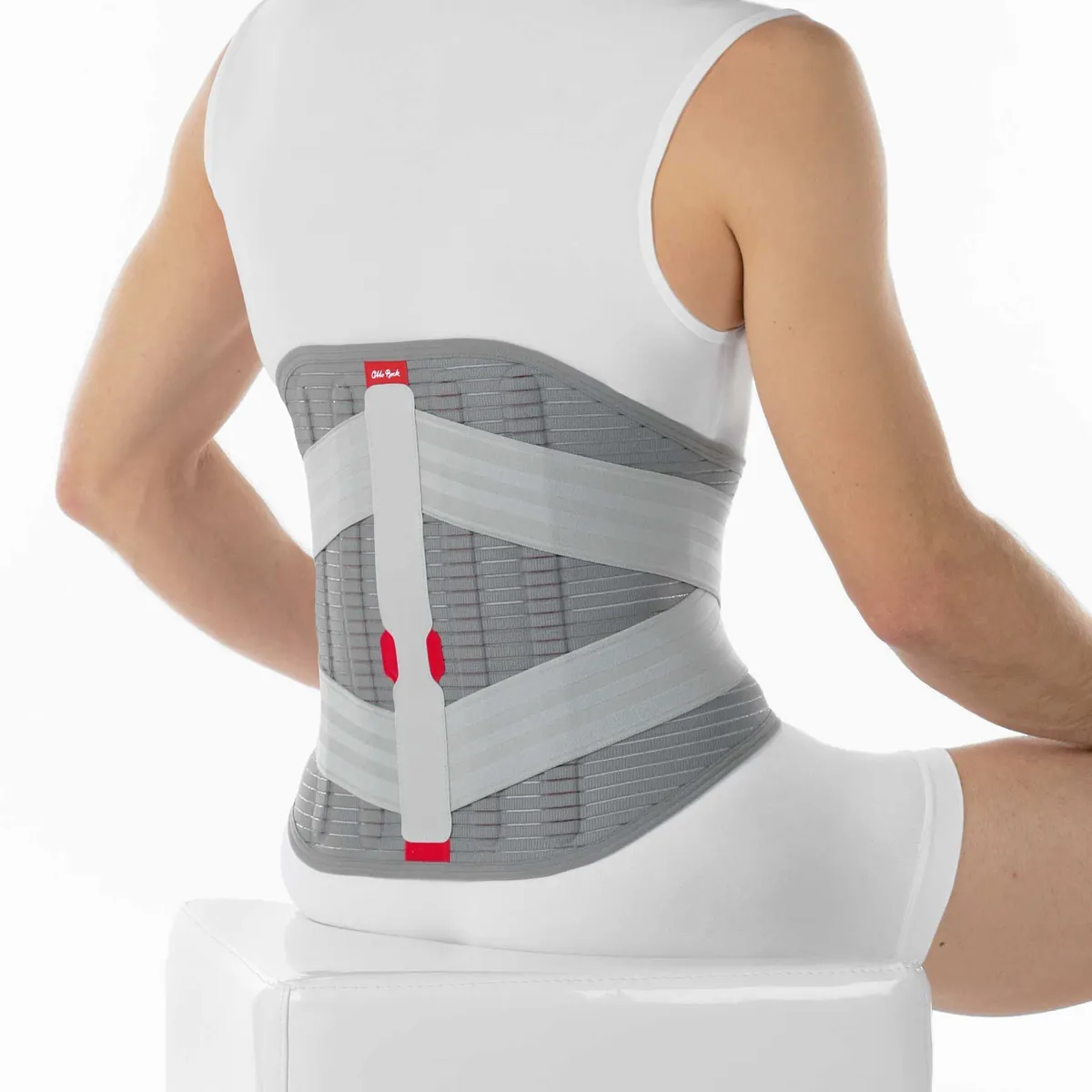
Elastic and pulley back supports
Suits: lower back pain
An elastic back support is the brace most often used for lower back pain. Lower back pain has many causes, and an elastic support is often prescribed when the pain comes from:
- Wear of the discs between the bones of the spine (degenerative disc disease)
- An injury or a fracture
- A mild curve of the spine, such as scoliosis
A pulley support is for more severe cases, where the lower back needs more support than an elastic brace can give. You tighten it by pulling on cords that run through small pulleys, which lets you pull it much firmer than you could by hand.
Hyperextension braces
Suits: compression fractures where the upper and lower back meet, and recovery after spine surgery
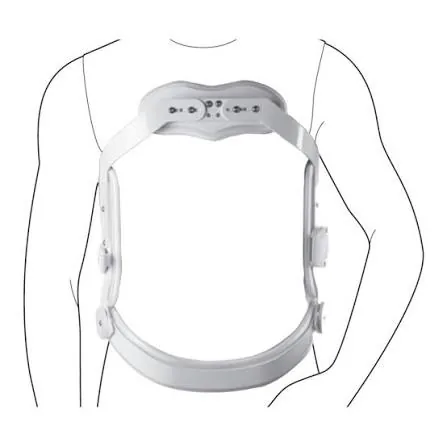
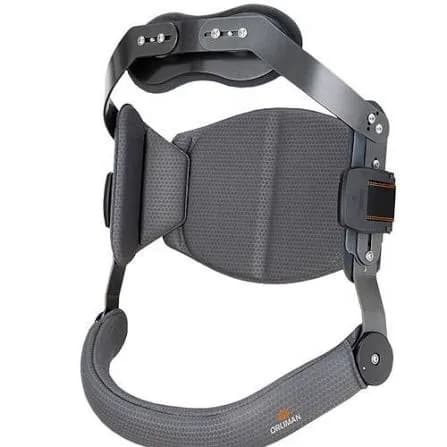
A hyperextension brace holds your back upright and stops it bending forward. It is mostly used for compression fractures, where a bone of the spine is squashed, and to help the back recover after spine surgery. It treats fractures and pain where the upper back (thoracic spine) meets the lower back (lumbar spine).
A rectangular metal frame over the front of the body presses on the chest and the pubic bone, and the brace supports the upper back from behind. Its three pads keep the spine straight and steady while it heals.
Jewett brace
Suits: compression fractures and fractures at the front of the spine
A Jewett brace is a kind of hyperextension brace. It presses on the body at three points, which lets you lean back but stops you bending forward.
It supports your posture, eases pain, helps prevent further injury and helps the spine heal, and it reminds you to keep your back upright and straight. It is often prescribed for compression fractures, or fractures at the front of the spine.
Moulded jackets
Suits: spinal fractures, scoliosis, Scheuermann’s kyphosis and ankylosing spondylitis
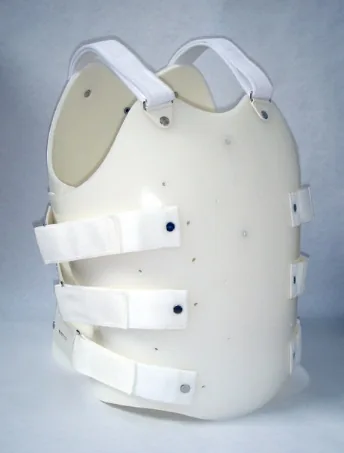
A moulded jacket is a rigid brace that covers a large area: the upper back (thoracic spine), the lower back (lumbar spine) and the sacrum, the bone at the base of the spine. Its medical name, thoracolumbosacral orthosis or TLSO, simply lists those three parts. It holds the spine firmly from the outside.
A moulded jacket may help with:
- Fractures of the spine, including burst fractures and compression fractures
- Scoliosis, a sideways curve of the spine
- Scheuermann’s kyphosis, a forward rounding of the upper back
- Ankylosing spondylitis, a type of arthritis that stiffens the spine
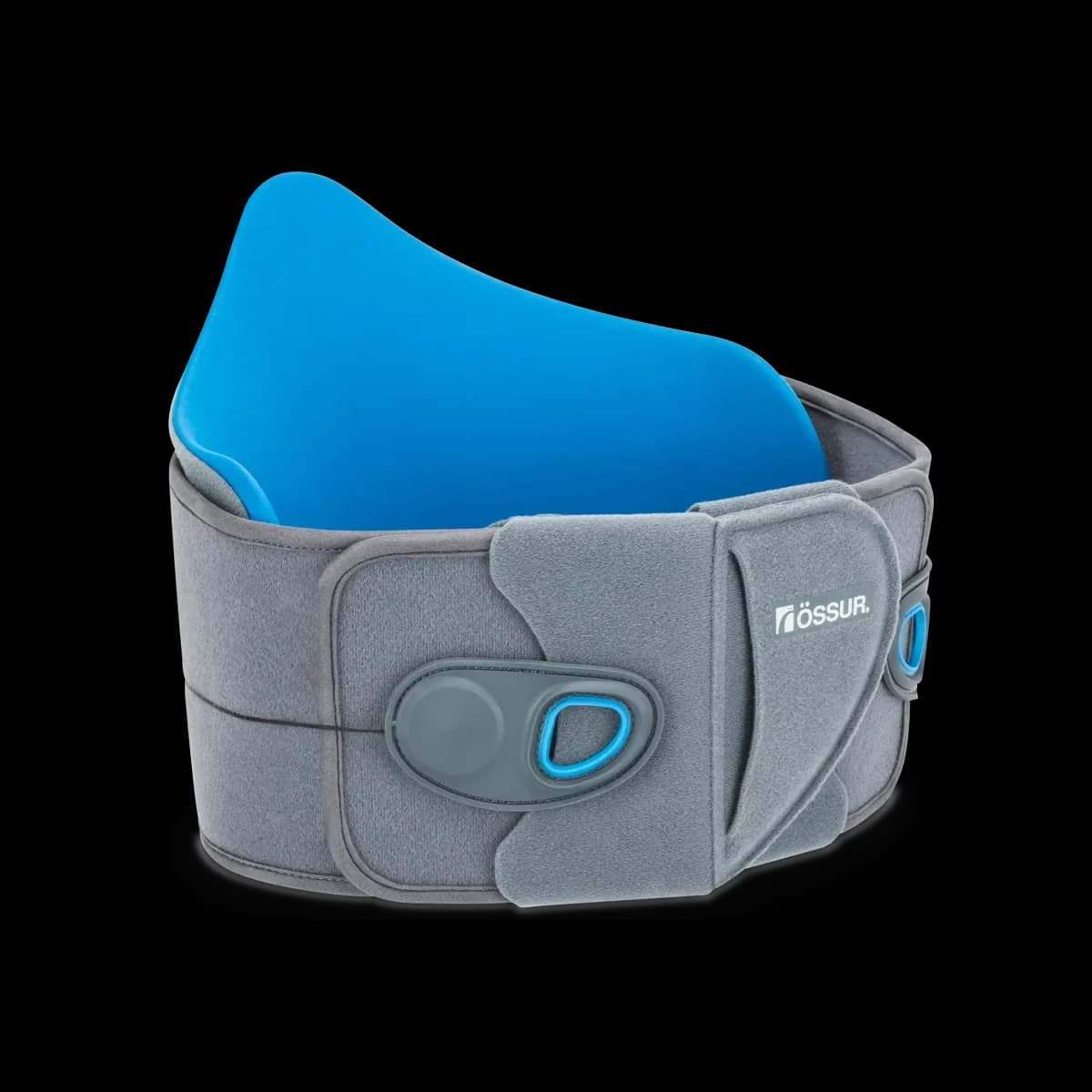
Össur Miami Lumbar®
Suits: recovery after back surgery, injured ligaments or muscles, and a strained lower back muscle
A lower back brace that is easy to put on. It holds the lower back still after an operation, eases pain, and protects injured ligaments or muscles. It follows the shape of your spine, so it holds well and stays comfortable.
It is built in parts, so the support can be stepped down at each stage of your recovery. With the TLSO attachment it holds the spine as firmly as possible, up to the seventh bone of the upper back (T7).
Like other lower back belts, it presses on the tummy muscles, which takes weight and strain off the lower back. That steadies the lower spine so it can heal, for example after a strained back muscle.