

Prosthetic Components
Sockets, locks, valves, sleeves and adapters, from Ottobock and Össur.
About prosthetic components
A prosthesis is built from separate parts: a socket that your limb fits into, a liner, a way of holding it on, a joint where one is needed, and a foot. Choosing each part well is what makes the finished limb comfortable and secure.
We put every prosthesis together ourselves from Össur and Ottobock parts, chosen one by one to suit what you need and what your budget allows.
Below are the sockets we make, the locks, valves and sleeves that hold them on, and the adapters that join the parts together. The liners, knees and feet for a leg are on Lower Limb Prosthetics, chosen by where the amputation is and how active you are.
See liners, knees and feet for your leg
Not sure which you need? Phone us on 011 782 7809 to book an assessment, and we’ll work it out with you. Read about your first prosthesis, step by step.
Sockets, made for you
The socket is the part your limb fits into, and it has to fit perfectly: it carries your weight and holds the prosthesis on, so a poor fit means rubbing, sores and an unsteady step. That is why we make every socket ourselves, for your own limb, and never use a ready-made one.
We take a cast of your limb, by hand or with a vacuum cast, and build the socket on it in carbon fibre, or in fibreglass and resin. Around the socket go the parts that hold it on, described below.
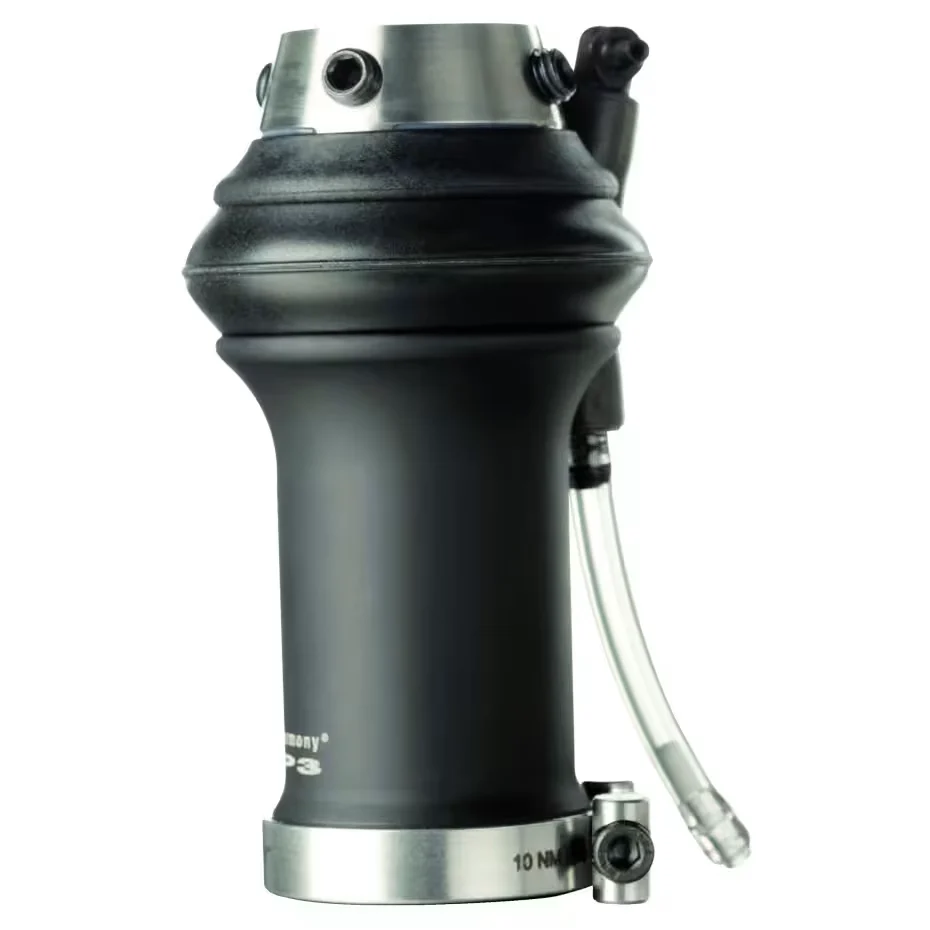
Ottobock Harmony® vacuum system
Suits: prostheses worn with a liner
A vacuum pump that draws the air out, so that your residual limb (what remains of the leg or arm after amputation) is held closely in its liner. Ottobock made it for a better fit and a healthier residual limb.
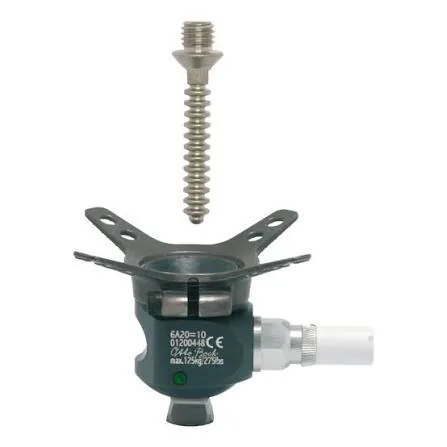
Ottobock shuttle locks and pull-in systems
Suits: prostheses held on with a pin or a strap, especially for people with little strength in their hands
Ways of holding the prosthesis on. With a shuttle lock, a short pin at the end of your liner clicks into a lock in the socket; with a pull-in system, you draw your limb into the socket with a strap. Ottobock’s locks are easy to release even while the prosthesis is pulling on them, so people with little strength in their hands can undo them easily.
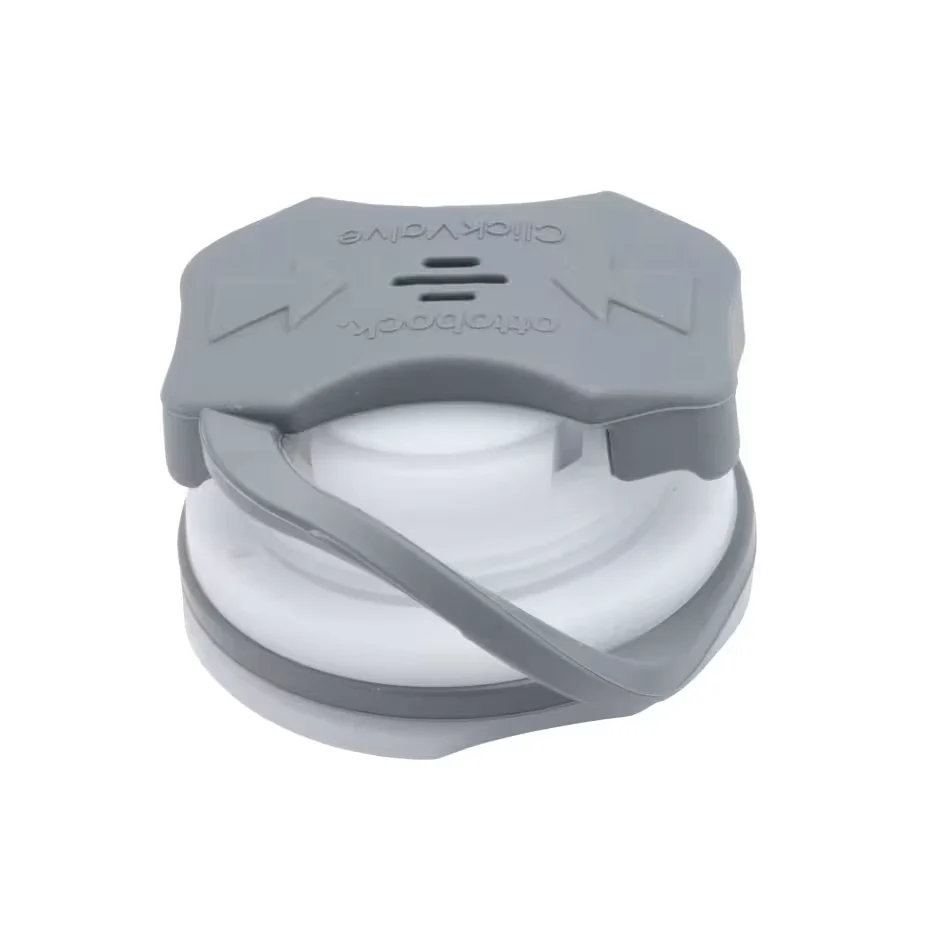
Ottobock suction valves
Suits: prostheses held on by suction
A suction socket holds on by suction, with no straps or pins. A valve in the socket lets the air out as your limb goes in, and keeps it out. We fit everything from simple flat rubber valves to Ottobock’s ClickValve, PushValve and MagValve, which need no screw thread, and choose the one that suits you.
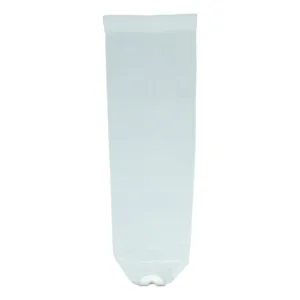
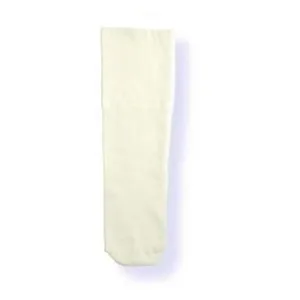
Ottobock limb socks and DermaFunction textiles
Suits: anyone wearing a socket, for comfort and a snug fit
We supply Ottobock’s residual limb socks, worn over your limb inside the socket, and Ottobock’s DermaFunction textiles, both made to be comfortable to wear.
ST&G Eclipse suspension sleeve
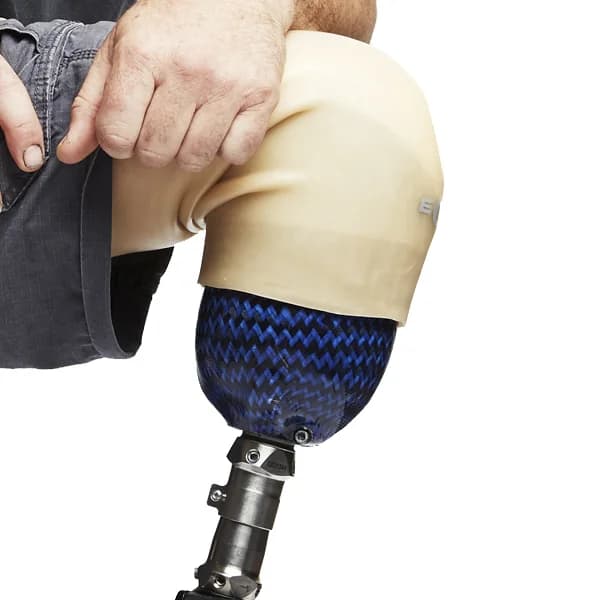
Suits: below-knee prostheses, even during hard exercise
A sleeve that holds the leg on. It rolls up from the socket over your knee, holding your leg steady while leaving the knee free to bend.
Read more
The Eclipse is made of reinforced medical-grade silicone with a smooth coating, so it lasts far longer than an ordinary sleeve. Inside, a non-slip strip seals it airtight against your skin, which keeps it in place when you are active.
The coating doesn’t get in the way when your knee bends, it is gentle on fragile skin and helps prevent blisters, and clothes hang naturally over it. The sleeve slides over itself, so you can change its length to suit what you are doing.
Össur adapters
Suits: prosthetic legs
Adapters are the small metal fittings that join the parts of a leg together. They also let us set its alignment (how the parts line up), so that the leg stands and walks straight. We stock Össur’s standard adapters, among them:
Read more
- Pyramid adapters and receivers, the usual joint between two parts
- Socket adapters, which fix the socket to the rest of the leg
- Tube clamps and pylon kits, which hold the pylon (the tube between the knee or socket and the foot)
- Shift adapters, which move a part slightly sideways or forwards to fine-tune the alignment
- A knee rotation adapter, which lets the leg below the knee turn right round
- A torsion shock adapter, which absorbs shock and twisting so less of it reaches your limb