
Sports Injury and Fracture Bracing
Braces that protect an injury while you keep training, and braces that support a bone while it heals.
About sports injury and fracture bracing
A sports brace protects an injured joint while you keep training, or supports it while you get back to your sport. Squash and rugby players, runners and other athletes often wear knee braces for injuries in training and in matches. We also fit braces for ankles and wrists.
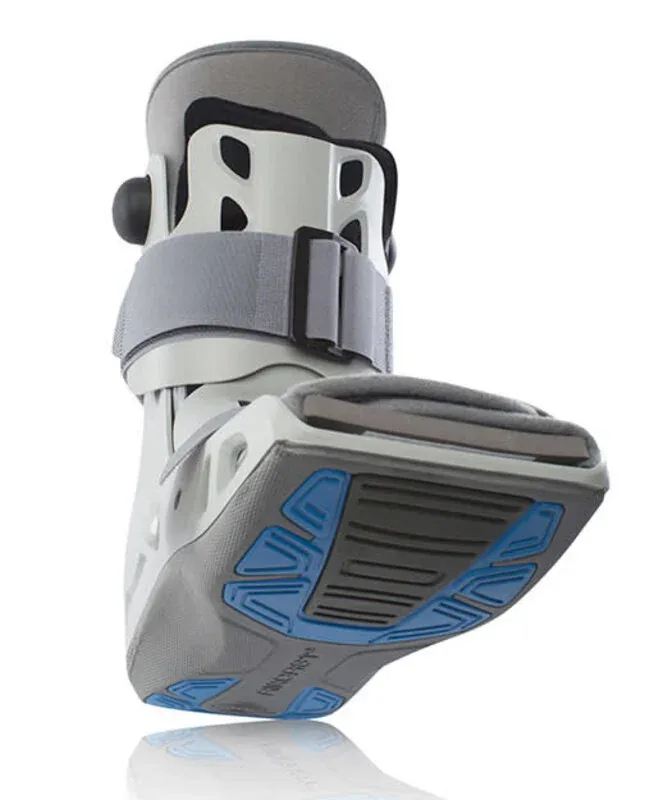
A fracture brace, also called a functional brace, supports a broken bone while it heals but still lets you use the arm or leg. It is often fitted once a cast comes off. It works well for some breaks of the shin bone (tibia), the upper arm bone (humerus) and the forearm (ulna), especially breaks from less violent injuries. Your doctor decides whether yours is one of them.
This page starts with the braces for sports injuries, then the braces for fractures. Different injuries need different braces, so we look at yours before we recommend one.
Not sure which you need? Phone us on 011 782 7809 to book an assessment, and we’ll work it out with you. Read what happens at your first visit.
Sports injuries
A brace may simply steady a knee that feels unstable, or it may be worn after an injury to limit and control movement and protect the joint from further damage. Many athletes with knee trouble say running feels easier when they wear one.
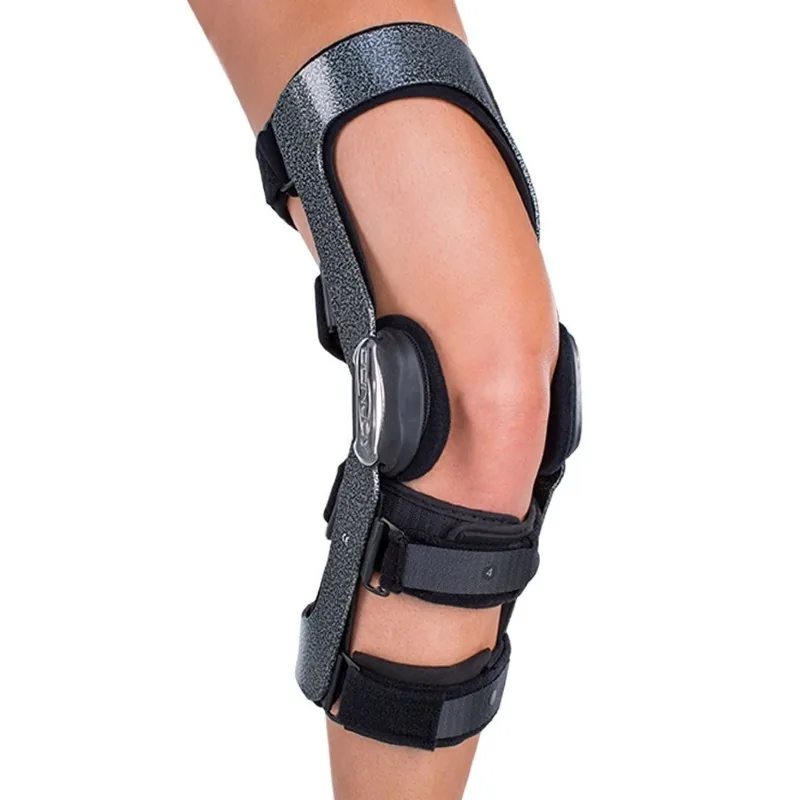
DonJoy Armor knee brace
Suits: injuries to the ACL and PCL, the ligaments inside the knee
A firm knee brace designed for injuries to the ACL and PCL, the two ligaments that cross inside the knee.
Different knee injuries need different braces, from a simple elastic sleeve that helps with swelling to a firm brace like the Armor. We look at your knee and help you choose the right one. We fit knee braces for:
- Knee sprains
- ACL and PCL injuries
- Meniscus tears (the cartilage cushion inside the knee)
- Problems on one side of the knee, the inner (medial) or the outer (lateral) side
- Jumper’s knee (pain just below the kneecap)
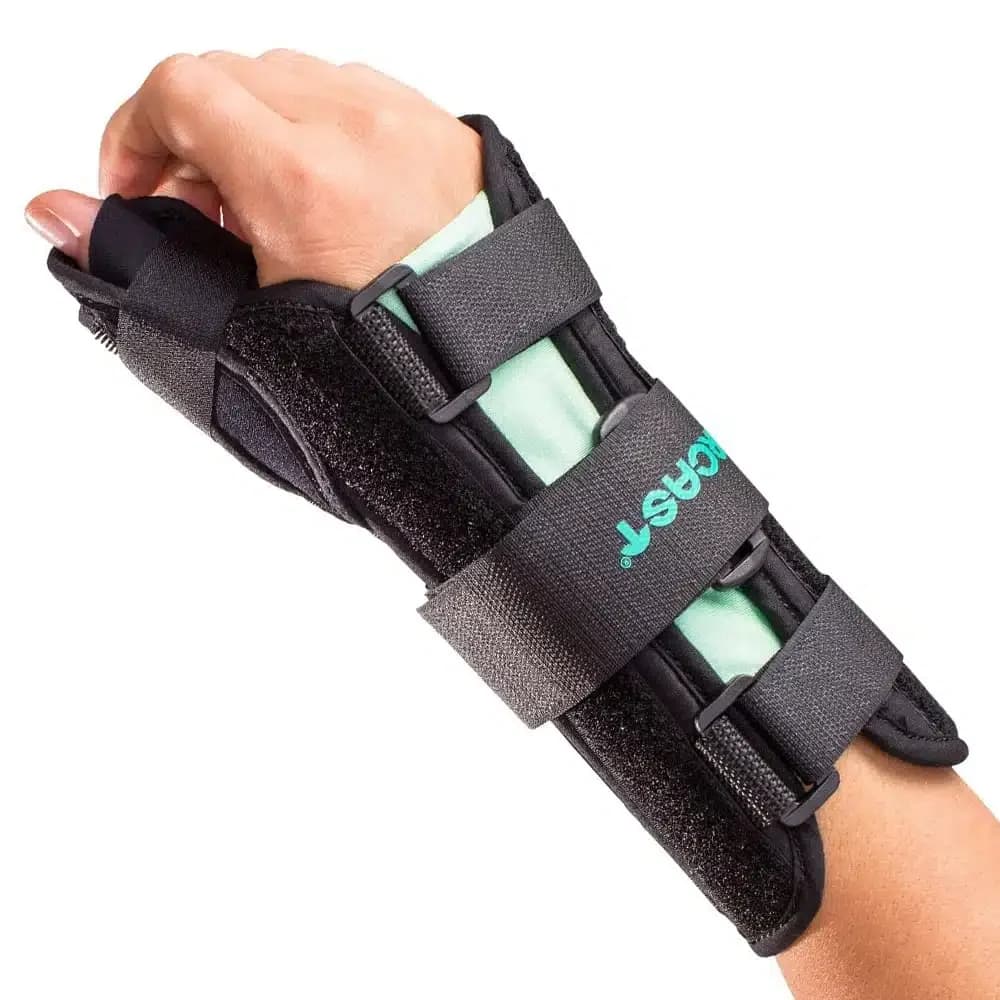
Wrist and thumb splints
Suits: carpal tunnel syndrome, wrist sprains and hairline fractures near the wrist
Most wrist splints are made of neoprene, a soft, stretchy rubber fabric. It keeps a healing joint warm, squeezes it gently and gives the wrist mild support. A wrist and thumb splint supports the thumb as well. Most have a metal or plastic stay inside that stops the wrist bending.
They are used for carpal tunnel syndrome (pressure on a nerve at the wrist, which causes tingling and numbness in the hand), wrist sprains and hairline fractures near the wrist (very mild breaks).
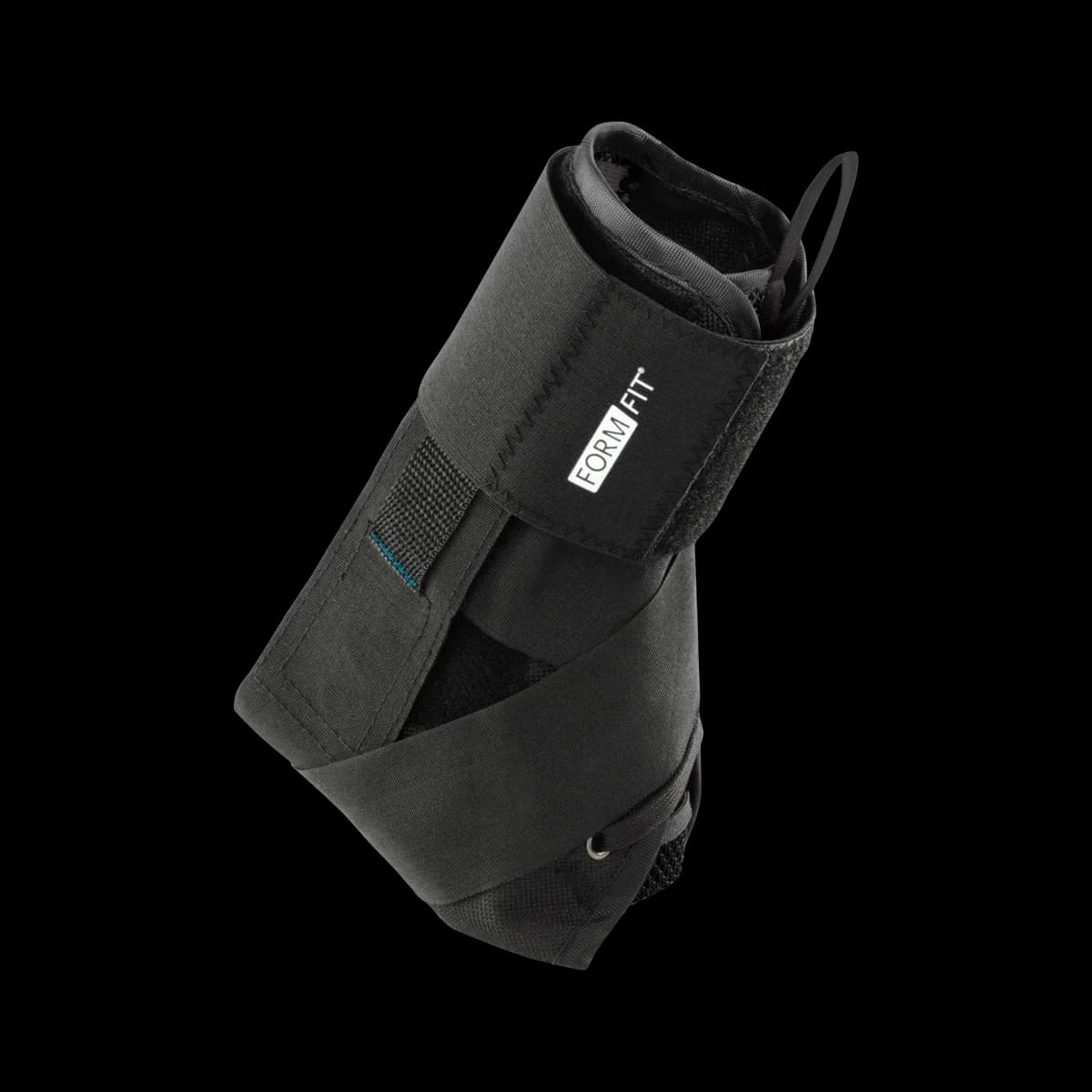
Össur Formfit® ankle brace
Suits: ankle sprains, and protecting the ankle during sport
Ankle sprains are very common. This brace supports the ankle after a sprain while the injured ligaments and tissues recover, and it is used to help strengthen the ankle.
It fits into most sports shoes, so trail runners and netball players also wear it to protect the ankle before an injury happens.
Fractures
Fracture braces come in many brands, shapes and sizes, so come in to the practice and we will look at the injury and recommend the right one.
Some of the fracture braces we fit
A fracture brace only works if it is worn properly, and it needs regular check-ups and adjusting. It cannot fully protect the bone from another injury.